
Endovascular Treatment
Minimally Invasive Care for Vascular Conditions
Overview
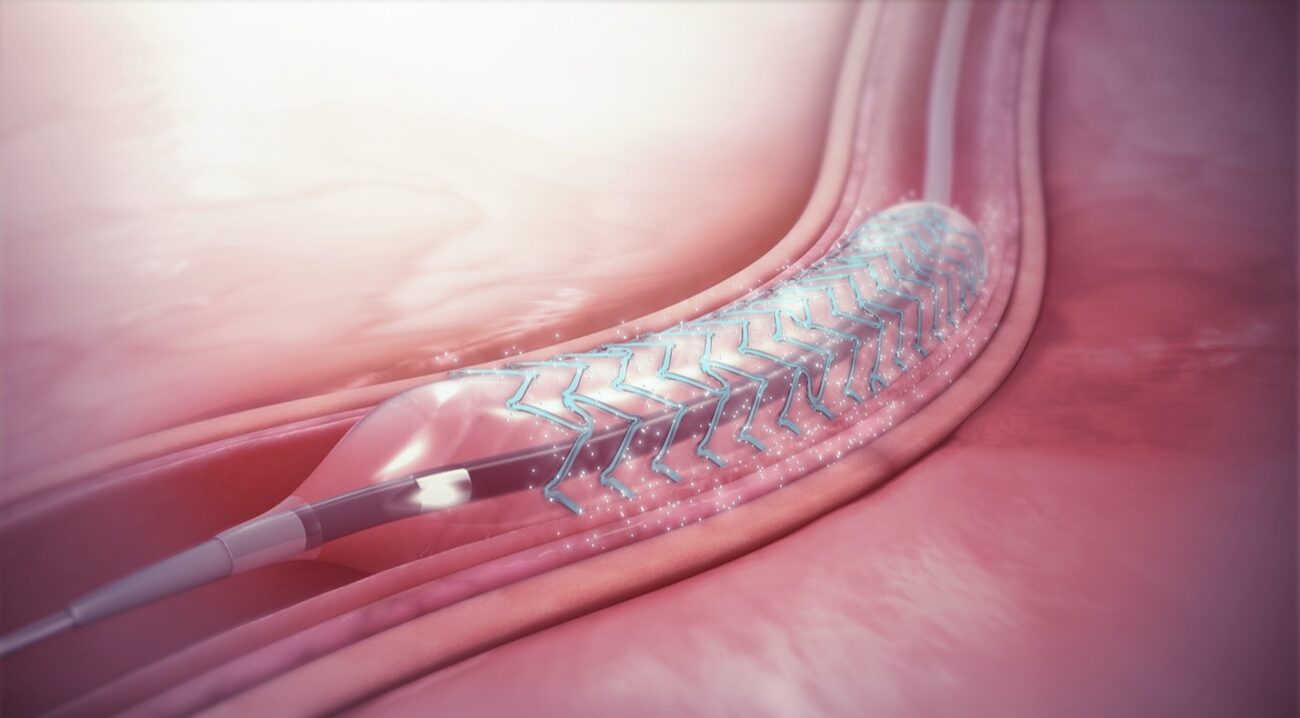
Endovascular treatment is an advanced, minimally invasive approach used to diagnose and treat a wide range of vascular (blood vessel) diseases. Instead of traditional open surgery, these procedures are performed using catheters, wires, balloons, and stents inserted through tiny punctures in the skin.This modern technique ensures faster recovery, reduced pain, and improved patient outcomes, making it a preferred choice for many vascular conditions.
What is Endovascular Treatment?
Endovascular treatment involves navigating thin tubes (catheters) through blood vessels under imaging guidance (such as fluoroscopy) to treat blockages, aneurysms, or abnormal blood flow.These procedures are typically performed by interventional radiologists or vascular specialists in a specialized cath lab.
Conditions Treated
Endovascular techniques are used to manage:
- Peripheral Artery Disease (PAD)
- Aortic Aneurysms
- Varicose Veins
- Deep Vein Thrombosis (DVT)
- Uterine Fibroids (via embolization)
- Prostate Enlargement (BPH)
- Vascular Malformations
- Dialysis access issues
Common Endovascular Procedures
- Angioplasty & Stenting – Opens narrowed or blocked arteries
- Embolization – Blocks abnormal blood flow (used in fibroids, prostate, tumors)
- Endovascular Aneurysm Repair (EVAR/TEVAR) – Treats aortic aneurysms
- Thrombolysis & Thrombectomy – Removes blood clots
- Varicose Vein Treatments – Laser or radiofrequency ablation
How the Procedure Works
1. Pre-Procedure Evaluation
Clinical examination and imaging (X-ray or MRI) to assess osteoarthritis severity.
2. Catheter Insertion
A thin catheter is inserted through a small puncture in the wrist or groin.
3. Targeted Embolization
Tiny particles are injected into the genicular arteries supplying the inflamed area.
4. Completion
The catheter is removed, and a small bandage is applied—no stitches required.
Benefits of Endovascular Treatment
- Minimally invasive (no large incisions)
- Reduced pain and discomfort
- Short hospital stay or same-day discharge
- Faster recovery and return to daily life
- Lower risk of complications
- Suitable for high-risk or elderly patients
Who is an Ideal Candidate?
You may benefit from endovascular treatment if you:
- Have vascular disease or blockages
- Are advised to avoid major surgery
- Need faster recovery with minimal downtime
- Have conditions treatable through catheter-based techniques
A specialist consultation and imaging evaluation are required.
Recovery & Aftercare
- Short recovery time (often same day or 1–2 days stay)
- Resume normal activities within a few days
- Follow-up visits for monitoring
- Lifestyle changes and medications may be advised
Risks & Possible Complications
- Minor bleeding or bruising at the puncture site
- Infection (rare)
- Allergic reaction to contrast dye
- Blood vessel injury (very rare)
Why Choose Us?
- Experienced Interventional Radiology specialists
- Advanced cath lab and imaging technology
- Personalized patient care
- High success rates with safety and precision
FREQUENTLY ASKED QUESTIONS
No, it is usually performed under local anesthesia with minimal discomfort.
Depending on the condition, it usually takes 1–3 hours.
Most procedures are day-care or require a short hospital stay.
Yes, it is often preferred for elderly or high-risk patients.
Most patients resume normal activities within a few days.