
Lung Interventions
Advanced Minimally Invasive Care for Lung Conditions
Overview
Lung interventions are advanced, minimally invasive procedures used to diagnose and treat a wide range of lung and chest conditions. These techniques are performed using image guidance (CT, ultrasound, or fluoroscopy), allowing precise treatment with minimal damage to surrounding tissues.They offer a safer alternative to traditional surgery with faster recovery, less pain, and improved accuracy.
What are Lung Interventions?
Lung interventions involve using needles, catheters, or small tubes inserted through the skin to access lung tissue or surrounding areas. These procedures are typically performed by interventional radiologists in a controlled environment.
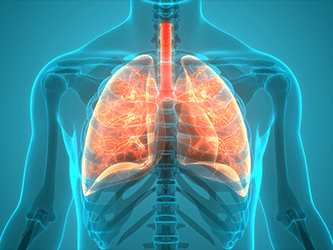
Conditions Treated
Lung interventions are commonly used for:
- Lung tumors (benign and malignant)
- Lung nodules
- Pleural effusion (fluid around the lungs)
- Pneumothorax (collapsed lung)
- Lung infections or abscess
- Hemoptysis (coughing up blood)
- Biopsy of suspicious lung lesions
How the Procedure Works
- Evaluation & Imaging
CT scan or chest imaging is performed to identify the condition. - Access
A needle or catheter is inserted through a small puncture in the chest. - Targeted Treatment
The required procedure (biopsy, drainage, ablation, or embolization) is performed. - Completion
The device is removed or secured, and a small dressing is applied.
Common Lung Interventional Procedures
1. Lung Biopsy
A needle is used to obtain a small tissue sample from a lung nodule or mass for diagnosis.
2. Tumor Ablation (RFA / Microwave Ablation)
Heat-based techniques are used to destroy cancerous or abnormal lung tissue.
3. Pleural Fluid Drainage (Thoracentesis / Catheter Placement)
Removal of excess fluid from around the lungs to relieve breathing difficulty.
4. Bronchial Artery Embolization (BAE)
A life-saving procedure used to control severe bleeding from the lungs.
5. Lung Drain Placement
Insertion of a chest tube to treat pneumothorax or fluid accumulation.
Benefits of Lung Interventions
- Minimally invasive (no major surgery)
- High precision using imaging guidance
- Reduced pain and complications
- Short hospital stay or day-care procedure
- Faster recovery
- Effective diagnosis and treatment
Who is an Ideal Candidate?
You may benefit from lung interventions if you:
- Have a lung nodule or tumor requiring diagnosis
- Experience fluid buildup around the lungs
- Have lung infections or abscess
- Need treatment for lung bleeding
- Are not suitable for major surgery
A specialist evaluation is necessary.
Recovery & Aftercare
- Short observation period or hospital stay
- Mild soreness at the puncture site
- Gradual return to normal activities
- Follow-up imaging may be required
Risks & Possible Complications
Lung interventions are generally safe, but may include:
- Pneumothorax (temporary lung collapse)
- Minor bleeding
- Infection (rare)
- Pain at the puncture site
Your doctor will discuss all risks before the procedure.
Why Choose Us?
- Experienced Interventional Radiology specialists
- Advanced imaging and precision-guided procedures
- Comprehensive lung care under one roof
- Patient-focused approach with high safety standards
FREQUENTLY ASKED QUESTIONS
Most procedures are performed under local anesthesia or sedation, ensuring minimal discomfort.
Typically 30 minutes to 2 hours depending on the procedure.
Some procedures are day-care, while others may require a short stay.
Yes, it is a commonly performed and safe diagnostic procedure.
Most patients return to routine activities within a few days.