
Liver Cancer Treatment
Advanced, Targeted Care for Liver Tumors
Overview
Liver cancer treatment has evolved significantly with the advent of minimally invasive, image-guided therapies that offer effective tumor control with fewer side effects.These treatments are designed to target cancer cells directly, preserve healthy liver tissue, and improve patient outcomes—especially for those who may not be suitable for major surgery.
What is Liver Cancer?
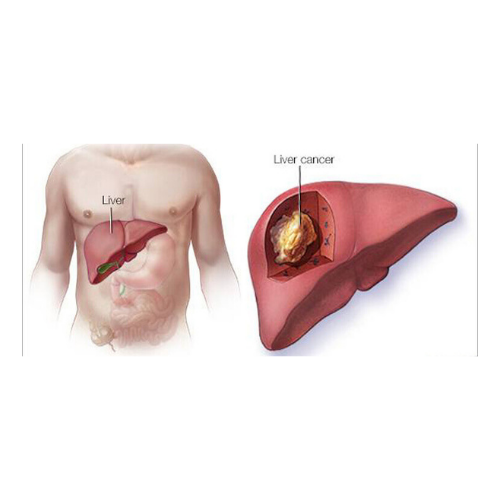
Liver cancer occurs when abnormal cells grow uncontrollably in the liver. The most common type is hepatocellular carcinoma (HCC), though cancer can also spread to the liver from other organs (metastatic liver disease).
Common Symptoms Include:
• Unexplained weight loss
• Loss of appetite
• Upper abdominal pain
• Fatigue and weakness
• Jaundice (yellowing of skin and eyes)
• Abdominal swelling
Types of Liver Cancer Treatments
1. Transarterial Chemoembolization (TACE)
A targeted therapy where chemotherapy drugs are delivered directly to the tumor through blood vessels, followed by blocking its blood supply.
2. Transarterial Radioembolization (TARE / Y-90 Therapy)
Uses radioactive microspheres to deliver radiation directly to the tumor, minimizing damage to healthy tissue.
3. Tumor Ablation (RFA / Microwave Ablation)
Heat-based techniques that destroy cancer cells using radiofrequency or microwave energy.
4. Systemic Therapy
Includes targeted drugs or immunotherapy for advanced cases.
5. Surgery & Transplantation
In selected patients, tumor removal or liver transplant may be recommended.
How Interventional Treatments Work
1. Assessment & Imaging
CT, MRI, and blood tests are performed to evaluate tumor size and location.
2. Catheter-Based Treatment
A catheter is inserted through the groin or wrist and guided to the liver.
3. Targeted Therapy Delivery
Chemotherapy, radiation, or embolic agents are delivered directly to the tumor.
4. Post-Treatment Care
Patients are monitored and follow-up imaging is scheduled.
Benefits of Minimally Invasive Liver Cancer Treatment
- Targeted treatment with minimal damage to healthy tissue
- Lower side effects compared to systemic chemotherapy
- No large surgical incisions
- Shorter hospital stay
- Can be repeated if necessary
- Suitable for patients not eligible for surgery
Who is an Ideal Candidate?
You may be suitable for these treatments if you:
- Have primary or metastatic liver tumors
- Are not a candidate for surgery
- Have multiple or inoperable tumors
- Require palliative treatment to control symptoms
A multidisciplinary evaluation is essential for personalized treatment planning.
Recovery & Aftercare
- Short hospital stay (1–2 days in most cases)
- Mild fatigue or discomfort for a few days
- Gradual return to normal activities
- Regular follow-up scans to monitor response
Risks & Possible Complications
These treatments are generally safe, but may include:
- Post-embolization syndrome (fever, pain, nausea)
- Infection (rare)
- Liver function changes
- Bleeding or bruising at the puncture site
Your doctor will discuss all risks before treatment.
Why Choose Us?
- Experienced Interventional Radiology and Oncology team
- Advanced imaging and targeted therapies
- Multidisciplinary approach for personalized care
- Focus on safety, comfort, and outcomes
FREQUENTLY ASKED QUESTIONS
Most procedures are done under sedation or anesthesia, ensuring minimal discomfort.
Depending on the procedure, it may take 1–3 hours.
Early-stage liver cancer can be treated effectively; advanced cases can be controlled and managed.
Yes, some treatments like TACE or TARE may require multiple sessions.
Tumor response is usually evaluated through imaging after a few weeks.